Current answers to the marketing questions consumer businesses ask. Sign in free to read them all.1,898 sources, at least 3 behind every answer.
Organic matter
Friday was quiet on the news front, so the Answer Book did the talking: a changed call on running your best organic posts as ads, and the last of three Meta answers falling in line on the "Acquire new customers" setting. This is the week-in-review: Friday first, then the calls that changed, 28 new answers, and the three stories worth keeping.
By Scott Stroud, Editor
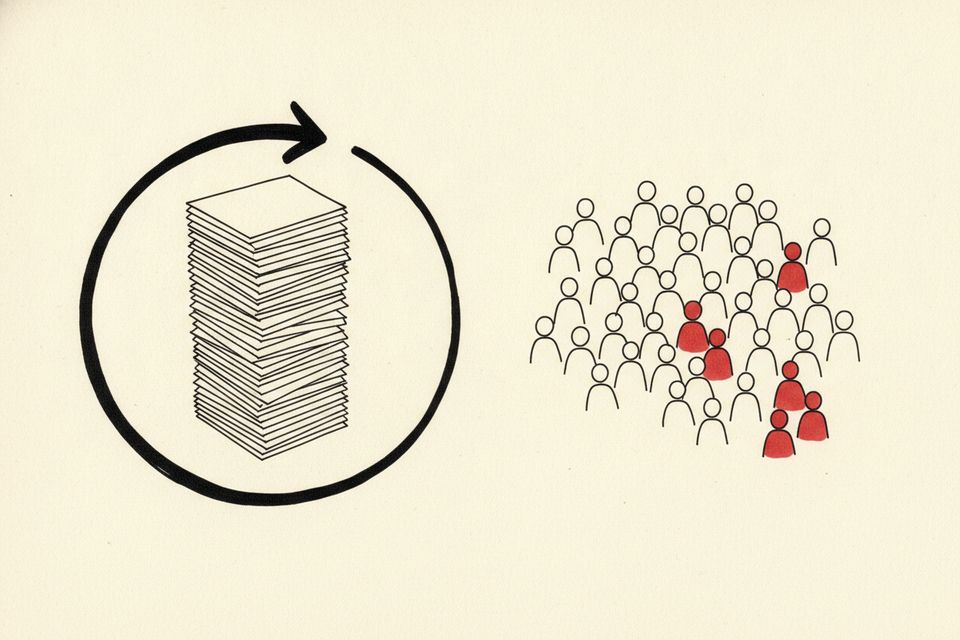
Our answer on running organic posts as ads changed its call on Friday. It still says promote the posts that earned saves, shares, comments and watch time, through their post IDs so the ads keep their likes and comments. The new part is the warning label: organic results are a first screen, and a promoted post stays only if its paid results hold. The reason is Dash Social's boosted-post data, from 355 Instagram brands and 147 Facebook brands between May 2025 and April 2026: boosted Instagram Reels drew 2,443 paid engagements against the 8,381 they had earned organically (Dash Social). Dash Social sells social analytics, and its data stop at engagement, with no clicks or sales. The crowd you pay for turns out to be quieter than the crowd that found you. Confidence is low.
Nick Theriot, who sells ad management and mentoring, posted a creative rule late Thursday: never rewrite the hook on a winning ad, change the visuals instead, and "once one takes spend, 80% of your next batch looks like it, 20% is something new" (Theriot). He shows no account data. Our answer on iterating on winners versus new concepts runs the other way, with at least half of new production going to genuinely new concepts, and it already counts Theriot among the dissenters. Wednesday's issue had him copying a winning US campaign to the UK, so he's having a consistent week of telling you to do more of what's working.
What changed in the book this week
Besides the organic-posts call, seven more changed.
- Raising average order value for payback now says never raise a list price just to make a discount look bigger, matching the FTC guide it cites.
- How often and how much to change Google targets: a budget-limited campaign's target now resets to the return you want, as Google's Ads Liaison advises.
- TikTok account structure now raises budgets only from about 50 conversions a week, TikTok's own rule.
- TikTok creative that works now now wants the offer clear within the first 3 seconds, TikTok's own line.
- Ads for new versus existing customers, excluding existing customers from prospecting and feeding Meta your customer data now all say test "Acquire new customers" on a duplicate prospecting ad set first, with its window cut from the 730-day default to 180 days or shorter, and switch prospecting over only if the test wins.
And 28 new answers went up. The featured one, for anyone sitting on a list of lapsed buyers before Black Friday: setting up a Meta win-back campaign says run it as its own campaign aimed at past buyers whose last order is older than their normal gap between orders, which was 60 days for a roughly monthly product in the one published holdout, and longer for slower cycles. The rest, by shelf:
- Metabudgets around a US election, judging ads by lead value, ads for high-price or high-trust offers, cutting junk and fake leads, booked versus attended appointments, judging an advertorial page, location fees in country budgets, giving AI agents safe ad account access, the WhatsApp placement, ads before a new location opens and marketing mix models for brands under about $200K a month.
- Googleexcluding household income ranges, messaging assets, sales that check out on Google, ad schedules and pacing and lead intent signals.
- Measurementtraffic from AI assistants, sending lead value to Meta and Google, early signs a lead will close, server-only conversion tracking, AI agents in conversion data and a referral program's added customers.
- PricingEU parcel fees and landed cost and whether to offer a welcome discount.
The other three new answers are in the stories below.
The week in three
The setting of the week. Thursday's issue brought our answer on Meta's "Acquire new customers" setting: turn it on only in ad sets whose job is first-time buyers, test it on a duplicate ad set for at least two weeks, and judge it on first-ever orders counted in your store or CRM. In one Pilothouse account on the setting, purchases cost $72.63 against $38.44 for engaged audiences (Pilothouse). By Friday, the three neighboring answers above said the same thing, which is roughly how long it takes a book to agree with itself.
Meta's Marketing API v27.0 went live November 4 with new defaults for ads built through tools: Product showcase may switch on for new API-built ads, and new Sales ad sets that target devices get "Reach more people across other mobile devices" turned on (Meta for Developers). Friday's issue had the follow-up: our answer on Meta device targeting says don't limit Sales ad sets to iOS or one device by default, and switch that expansion off if a limit must hold. If you still haven't asked your tool vendor which API version it runs, that's the weekend homework.
Tuesday's issue covered Meta's new Media and Text breakdowns for ads with several assets (Meta via Social Media Today) and the urge to cut whatever got no spend. Our answer on cutting versions inside a multi-asset ad says hold off: the breakdown shows Meta's delivery choices, not a split test, so judge a version on cost per purchase once it has about 50 purchases. With Black Friday ads going up, that's the one I'd reread before touching anything.
Meta's on-device counting starts November 12, in 5 days. Black Friday is 20 days out.
There is no Sunday issue, so see you Monday.
Every fact links to its source. Opinions are the writer’s, built from the sources linked beside them.